







Our fellows don’t just study Maine—they shape it.
From the peaks of Acadia to the working waterfronts of the coast, explore how our students are applying their passion to real-world projects that matter.
Journey Update (July 2026): The East Greenland Educational Exchange
As part of an ongoing collaboration between the THOR Institute and the Arctic Education Alliance, students and faculty from the University of Maine System recently returned from a collaborative exchange in East Greenland.
Where Maine Meets the Arctic
At the heart of this exchange was true peer-to-peer learning and community engagement. Our Maine fellows worked directly with local students, faculty, and staff from Campus Kujalleq, as well as partners at Visit East Greenland and regional stakeholders. Immersed in local culture, the team gained invaluable insights directly from community members, supporting their vision for the future of tourism through a community-grounded project focused on destination stewardship and local management priorities.
Explore our fellows’ firsthand takeaways and field notes here ➡️
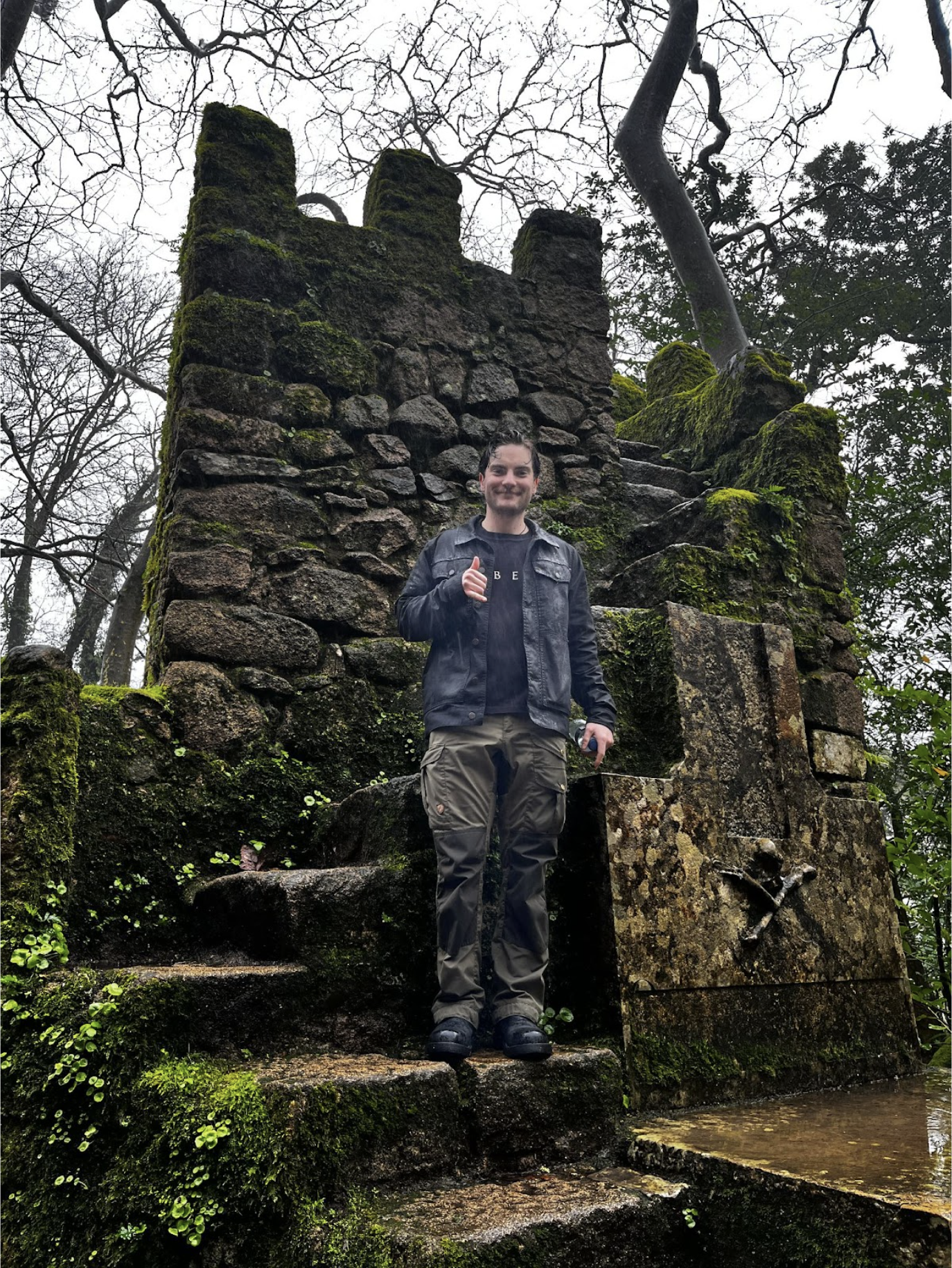
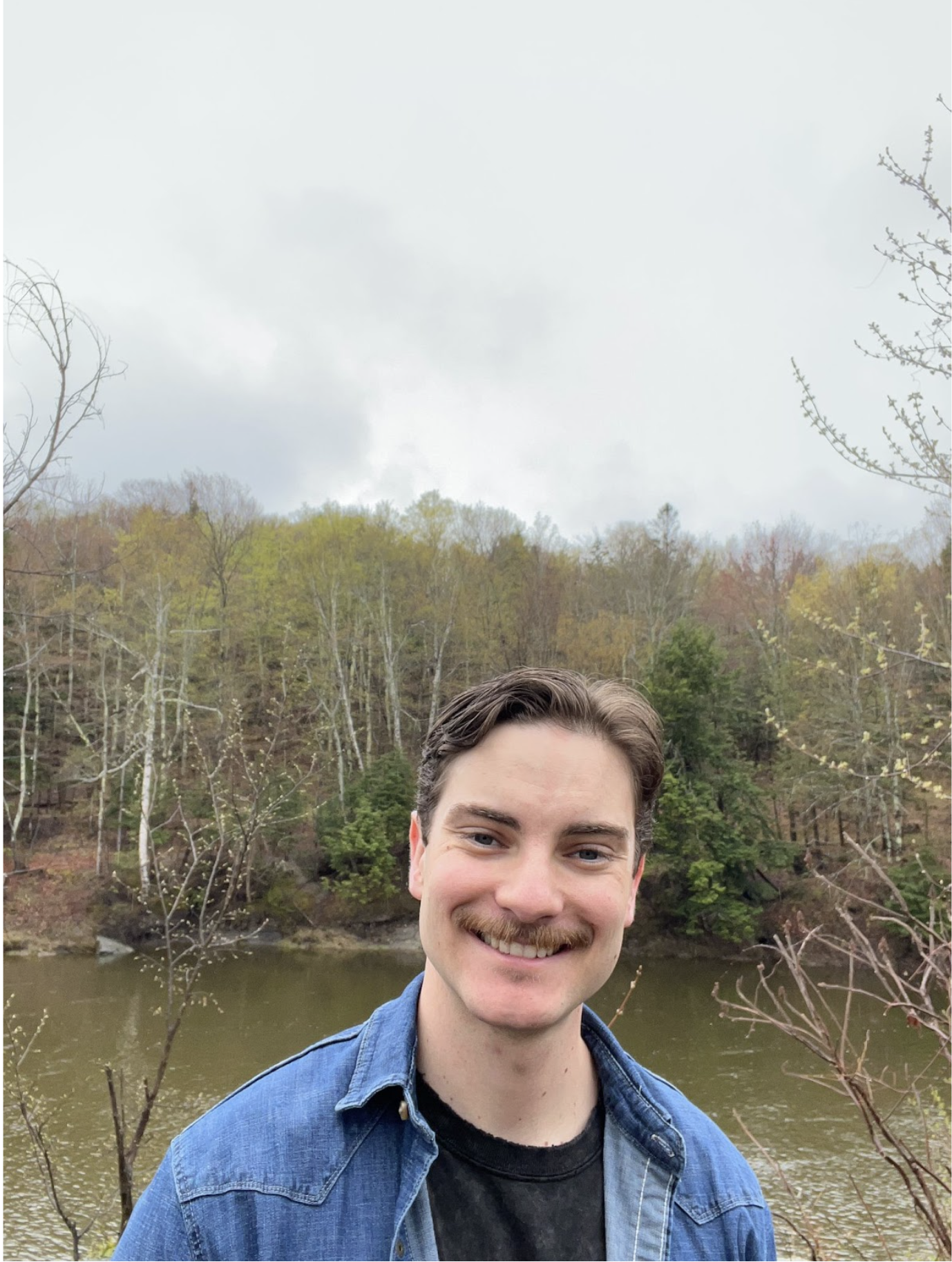
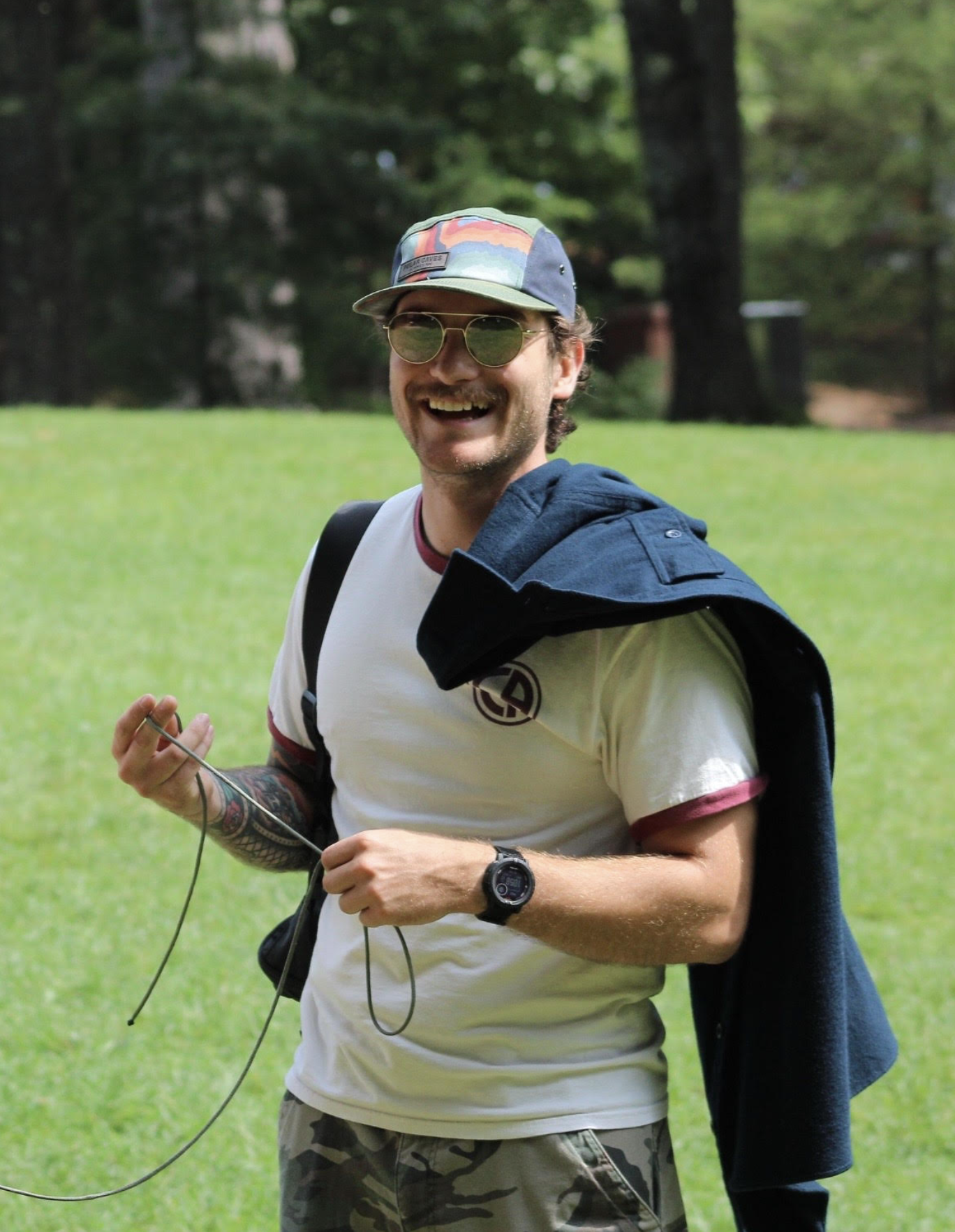
Jeremy Powers
University of Maine at Farmington
Outdoor Recreation Business Administration
Your Home Base & One “Hidden Gem”: University of Maine at Farmington.
Abbot Park or Bonney Woods are both incredible little parks that provide spaces to relax and connect with nature right in the heart of Farmington.
The Mission – A Real World Challenge:
I am a Marine Veteran with a professional background in mechanics and a passion for outdoor activities. After transitioning from the military and working as a heavy diesel mechanic for a year, I decided to use my GI Bill to pursue higher education more in line with my passions.
The Outdoor Recreation Business Administration program at the University of Maine at Farmington has provided just that. I aim to bring my discipline, problem-solving, and technical outdoor expertise, along with the multi/cross-cultural experience I have gained from traveling internationally and living in Japan, to this iteration of the Arctic Education Alliance.
The Horizon – How will this experience help you shape the future?
The first-hand experience of evaluating and enhancing sustainable tourism in East Greenland will provide me with a new mode of thinking when assessing anything I may find myself working on in the future. That could be something as simple as revamping an existing recreation activity to building out new forms of tourism or recreation in areas where they haven’t previously existed.
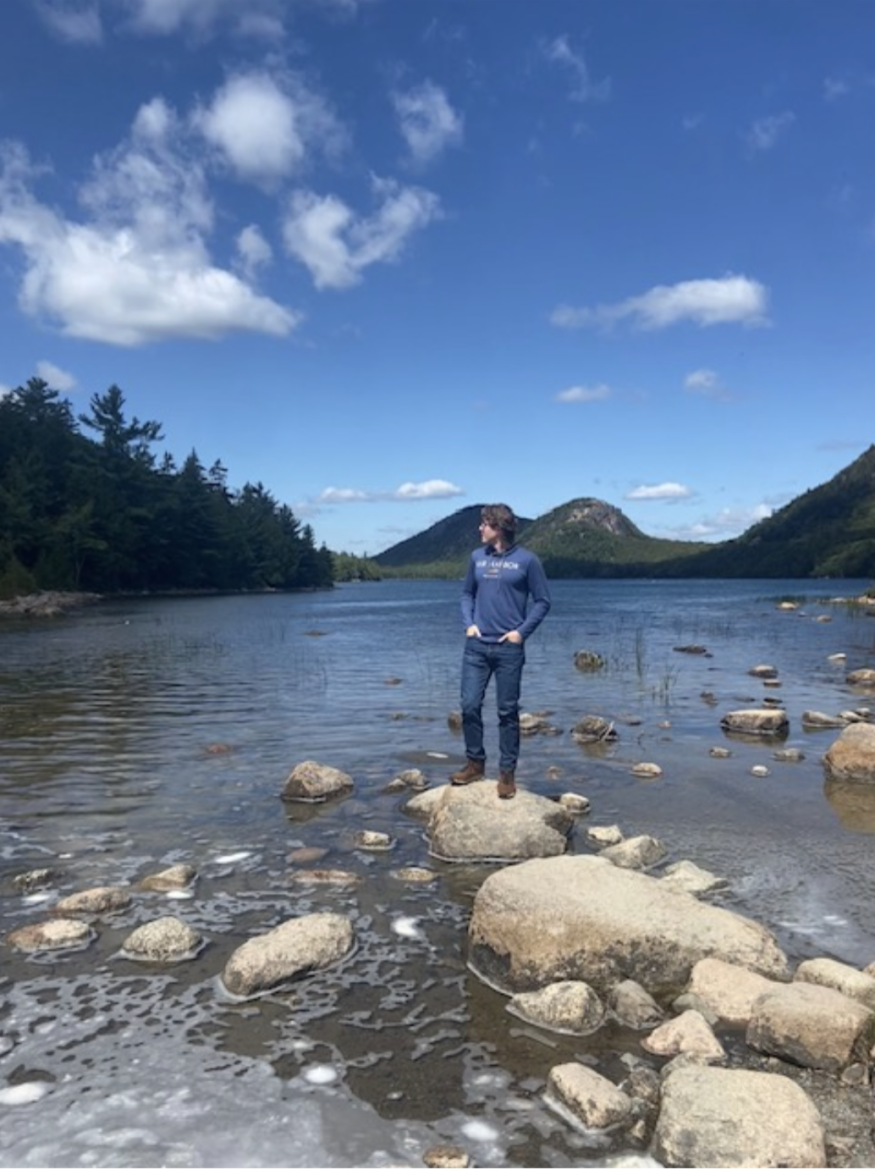
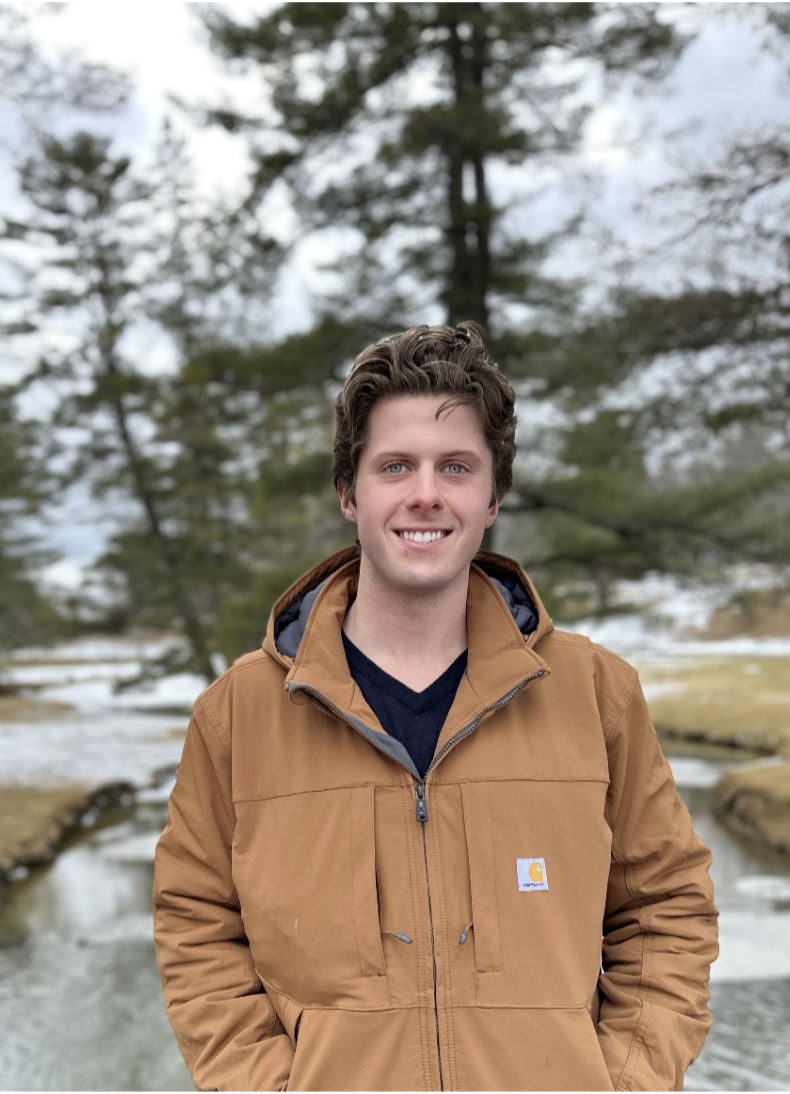
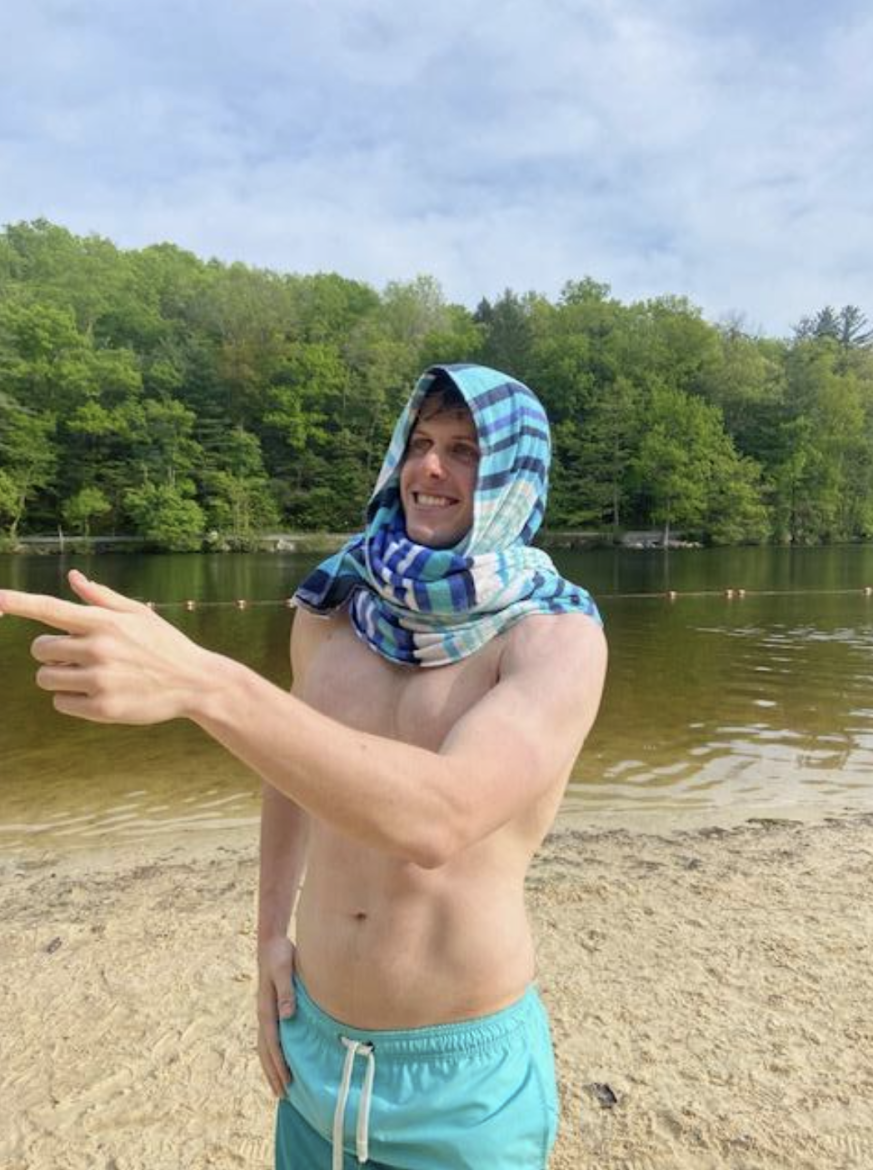
Tyler Lissy
University of Maine, Orono
Global Policy (Security & Foreign Policy)
Your Home Base & One “Hidden Gem”: University of Maine at Orono and Dickinson College in Carlisle, PA.
In Orono, there is a rope swing hidden along the Stillwater River. It’s a remarkably scenic area and the experience of jumping into the river was second to none.
In Carlisle, the Laurel Fridge Pond is a relaxing place to unwind and have get-togethers. It holds a unique place in my heart.
The Mission – A Real World Challenge:
By itself, the concept of sustainable tourism is a uniquely difficult task to manage in the 21st century. Sustainable tourism aims to find a balance between its benefits and negative impacts, where the visitors and visited coproduce regenerative patterns of the industry, and where all individuals within the tourism value chain receive comparable gains.
All of these characteristics are intensified by the remoteness of Greenland, its environmental importance, and its cultural heritage. Our job during this fellowship is to assess facility design and capacity building under the purview of tourism development in extremely remote areas.
The Horizon – How will this experience help you shape the future?
Both Maine and Greenland share a commonality in tourism being a substantial industry for their respective regions. In a similar (albeit not as extreme) fashion, both tourism industries are seasonally dependent. Just as sustainable tourism can benefit both visitors of Greenland and the larger Greenlandic population, this project’s findings can contribute to mutual benefits of tourism industries for both Maine and Greenland.
Dillon Metcalf
University of Maine, Orono
Major (minor/concentration): Bachelors in Parks, Recreation, and Tourism, Political Philosophy and Ethics minor, THOR minor
Career Plans: Outdoor Recreation Management, Outdoor Education
Summary of fellowship project: Supporting Maine Huts and Trails to expand their benchmarking project, with the comparison and contrast of competing organizations. The goal is to further improve Maine Huts and Trails’ targeted messaging, help them reach new audiences, and provide them with insights into ways to learn how to tell their story more effectively.
Mia Forcine
University of Maine, Orono
Major (minor/concentration): Bachelors in Parks, Recreation and Tourism
Career Plans: Public facing in outdoor recreation.
Summary of fellowship project: Supporting campground development with Wabanaki Public Health & Wellness. I hope to learn from their expertise in community engagement and cultural stewardship, while building meaningful connections with professionals and organizations dedicated to sustainable recreation and wellness initiatives.
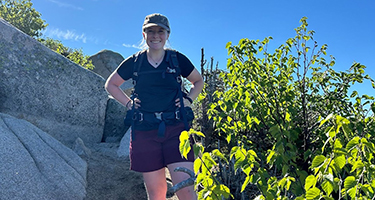
Kathryn Gatewood
University of Maine, Orono
Major (minor/concentration): Bachelors in Ecology & Environmental Sciences: Sustainability, Environmental Policy & Natural Resource Management; Spanish minor
Career Plans: Outdoor education logistics and field work!
Summary of fellowship project: Supporting campground development with Wabanaki Public Health and Wellness in Millinocket through competitor analysis.
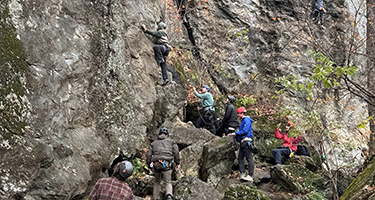
Andrew Clifford
University of Maine, Orono
Major (minor/concentration): Bachelors in Forestry
Career Plans: After graduation I plan on becoming a full time climbing instructor and guide.
Summary of fellowship project: A programmatic climbing manual for those looking to lead educational climbing trips in New England. My goals for this fellowship are to increase accessibility of climbing in New England for outdoor educators who may not have the time or resources to get out to these places and get hands-on experience.
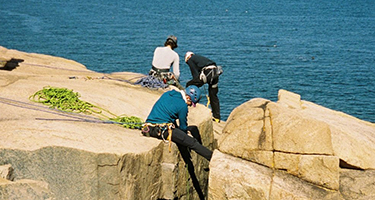
Bence Rosenberg
University of Maine, Orono
Major (minor/concentration): Bachelors in Parks, Recreation, and Tourism; Outdoor Leadership minor
Career Plans: Guide and Outdoor Sport Instructor
Summary of fellowship project: Supporting programming goals at Maine Bound Gear Library to promote access to outdoor recreation with new gear inventory.
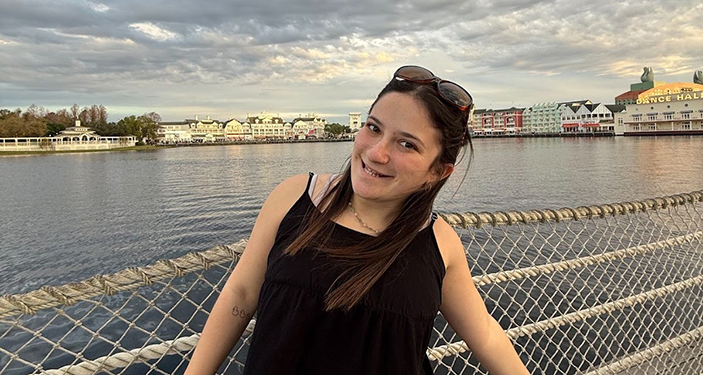
Ilana Berkovitz
University of Maine, Orono
Major (minor/concentration): Bachelors in Kinesiology and Outdoor Leadership
Career Plans: Director of a summer camp
Summary of fellowship project: Supporting the rebranding of the Maine Bound Gear Library and enhancing promotion of the full range of available equipment.
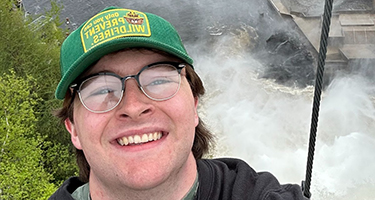
Brayden Vance
University of Maine, Orono
Major (minor/concentration): Bachelors in Parks & Recreation and Tourism, French Language
Career Plans: Work for SEPAQ or be a Forest Ranger for New York State Parks
Summary of fellowship project: Supporting destination research and itinerary planning at the World Affairs Council of Maine to present to visiting leaders and distinguished guests.
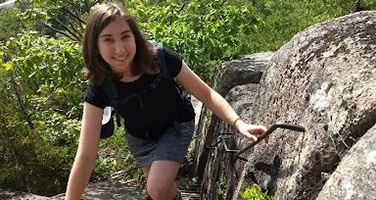
Molly Bogner
University of Maine, Orono
Major (minor/concentration): Master’s in the School of Forest Resources
Career Plans: Park Ranger/social science research/outdoor leader/educator
Summary of fellowship project: I am currently supporting student engagement and involvement with the THOR Institute Vacationland Conference in June 2025. In my past work as a THOR Student Fellow, I’ve worked to expand a statewide outdoor program marketing plan for schools in Maine to advocate for students spending more time outdoors through community-based programs.
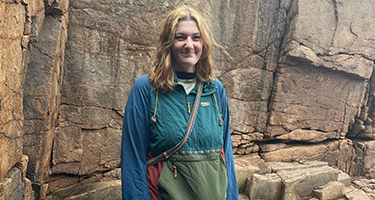
Erin Ciampa
University of Maine, Orono
Major (minor/concentration): Parks Recreation and Tourism with a Nature-Based Tourism Concentration and an Outdoor Leadership Minor
Career Plans: Hoping to work within the outdoor education field!
Summary of fellowship project: I’m working with THOR fellow Molly Bogner to gather data on people’s experiences at the summits of Sargent and Cadillac mountains in Acadia National Park. We are asking visitors about the soil vegetation restoration project, Save Our Summits, among other things. I will also be doing a bi-weekly blog post about my experiences!
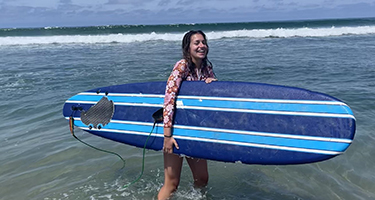
McKenna Chappell
University of Maine, Orono
Major (minor/concentration): Parks, Recreation & Tourism with a Minor in Studio Art
Career Plans: I plan to get my MBA with a concentration in Outdoor Industry Management, then work in a national park as a guide, outdoor educator, art instructor, or business owner.
Summary of fellowship project: I will be researching U.S. national parks to gather data about arts programming and partnerships.
Final Project: Art Programs in U.S. National Parks (External Site)
Abby Lavoie
University of Maine, Orono
Major (minor/concentration): Parks, Recreation & Tourism with a Graphic Design Minor
Career Plans: My career plans involve a job outside where I am able to connect with people and give back to our lovely planet!
Summary of fellowship project: I’m working with UMaine and Backcountry Squatters and will share more about my project soon.
Final Project: DEI Skills for Outdoor Leaders (External Site)
Laini Frager
University of Maine, Orono
Major (minor/concentration): Environmental Educator in a park setting, interpretive ranger
Career Plans: Park Ranger/social science research/outdoor leader/educator
Summary of fellowship project: I will be working with the Maine Coast Fishermen’s Association to research current strategies used to involve tourists with working waterfronts around the world and seeing if any of these strategies could be implemented on Maine’s working waterfront. I will also be surveying tourists in Portland to gauge visitor interest in the working waterfront.
Jordan Potter
University of Maine, Orono
Major (minor/concentration): Biomedical Engineering and Outdoor Leadership
Career Plans: Something with health and the environment.
Summary of fellowship project: I am going to go to wilderness areas in the Bangor/Orono area and share about my experiences. This will give people a broader awareness of ways they can experience and enjoy nature close by too.
Amanda Rock
University of Maine, Orono
Major (minor/concentration): Kinesiology – Outdoor Leadership
Career Plans: I plan to attend PA school after my undergrad and maintain my passion for outdoor recreation by joining the field of wilderness and emergency medicine. I hope to continue working towards bringing my communities to the outdoors but with the education and medical knowledge needed to be safe and keep our environment safe too.
Summary of fellowship project: For this summer’s THOR project, I will be working with the organization Teens to Trails to create a compilation of best practices in the outdoors for students and teachers new to the outdoor communities. I will also be working on creating a flowchart for teachers (and older students) to create an accessible, user-friendly guide on how to find training and what training they may need to be a well-rounded outdoor leader and be prepared for whatever their specialty may throw at them.
In my past work as a THOR Student Fellow, I supported the event planning process for the NENA ICHRIE Conference in April 2024 and presented my research on regional outdoor recreation opportunities.
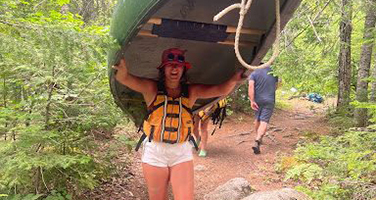
Emily Kidd
University of Maine, Orono
Major (minor/concentration): Kinesiology and Physical Education (Concentration in Outdoor Leadership)
Career Plans: Guide for an organization such an NOLS or work as an outdoor educator in the High School setting.
Summary of fellowship project: During my time as a THOR Fellow I hope to work in conjunction with pre-existing organizations in order to create more job access for Maine high schoolers, specifically rural Maine high school students. My goal is to provide them access to various employers within the outdoor industry and to share with them other young people’s experiences working for such companies.
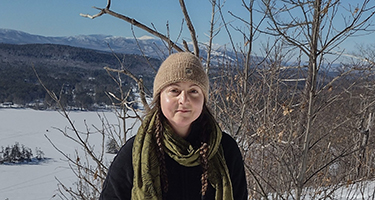
Jessica Williams
University of Maine at Machias
Major (minor/concentration): Majoring in Outdoor Recreation and Leadership with a minor in Marine Biology
Career Plans: Any exciting opportunity to share my love for the outdoors with others.
Summary of fellowship project: I am creating an outdoor recreation program for LGBTQ youth in Washington County, Maine.
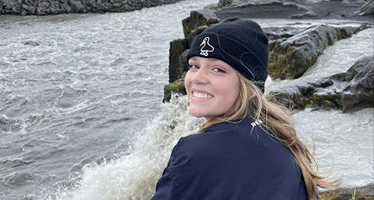
Ashley Meggett
University of Maine, Orono
Major (minor/concentration): Earth and Climate Sciences major, Earth Science concentration, Outdoor Leadership minor
Career Plans: Something in the realm of outdoor conservation and public relations
Summary of fellowship project: Assisting Teens to Trails organization with public outreach, advertisement, and support at planned outdoor events